What are the building blocks that music shares with other capacities?
I came across this video1 of Fred Lerdahl’s lecture on Musical Syntax and Its Relation to Linguistic Syntax. Of particular interest to me since I’ve based a number of pieces of music directly on transcriptions of speech. Lerdahl also covers some interesting points worth considering when thinking of the common ground between music and other (art) forms.
This was the first of a series of three lectures. I haven’t been able to find videos of the following two: The Sounds of Poetry Viewed as Music and Tonal Space, Motion, and Force, but there is a PDF of the second available on Lerdahl’s website.
-
Via @keithmcmillen ↩
Came across this little article in The New Yorker yesterday – about the changes that occur in the body and brain while drawing. Calming down, being present to life. Those are aspects I fully relate to.
A different mental space from the one one inhabits when occupied with words. The pull of getting things done can be strong though. I did a quick sketch this morning (am always surprised by the way my ears open up when drawing) but ended up spending most of the day busy with code.
I thought I’d explore some new podcasts other than the regulars I listen to. A look through the Overcast ‘Most Recommended’ directory led me to Marc Maron’s WTF Podcast and this episode with Joanna Newsom.
A little over a month ago I wrote about my search for a way to compress images on my iPad. The kraken.io web interface gives excellent results, but with the catch that images need to be below 1MB to start with if one doesn’t have a Pro account.
I decided to give Pythonista, another of Federico Viticci’s favourites, a go. Version three of the app has just been released and it’s a wonderful way to dive into the world of Python scripting. A beautiful code editor with built in documentation and an integrated debugger that turns out to be invaluable for a first timer like myself.
With some of the included example scripts as a starting point, the documentation, and a look at some of the solutions Frederico and Macdrifter have come up with, I already have an (admittedly basic) working solution for both resizing and compression that works both from within Pythonista and as an extension via the iOS share sheet.
And on this midsummer day with dramatic cloudbursts and Britain voting on whether to stay in the EU or not – some photographs I took this morning.
The closest we got to sitting around a Sankthans fire last night, was watching Neil deGrasse Tyson as he explained a little about the stars on Cosmos. The story of the group of women1 that pioneered the use light spectra to determine the elements that constitute the stars was fascinating, and completely new to me.
Continuing with popular science and the theme of women in domains traditionally dominated by men: The Lady Vanishes is the first episode of Malcolm Gladwell’s new Revisionist History podcast. And more on the role of (unsung) female pioneers in the world of tech with guest Virginia Hefferman on the Track Changes podcast.
-
Not that I find any mention of them in the Wikipedia articles. ↩
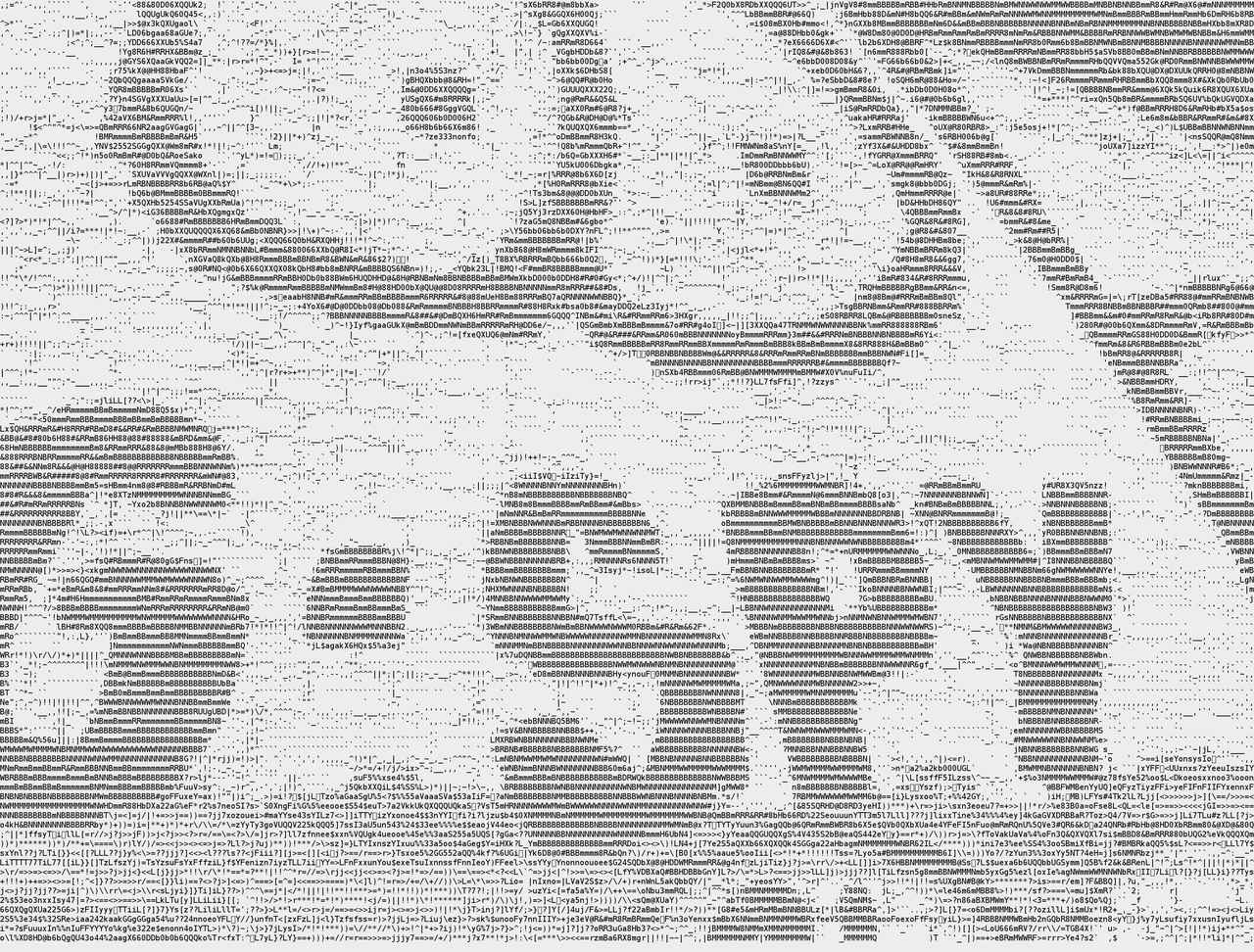
ASCII image created using Luke Deen Taylor’s Image2ASCII in Pythonista.

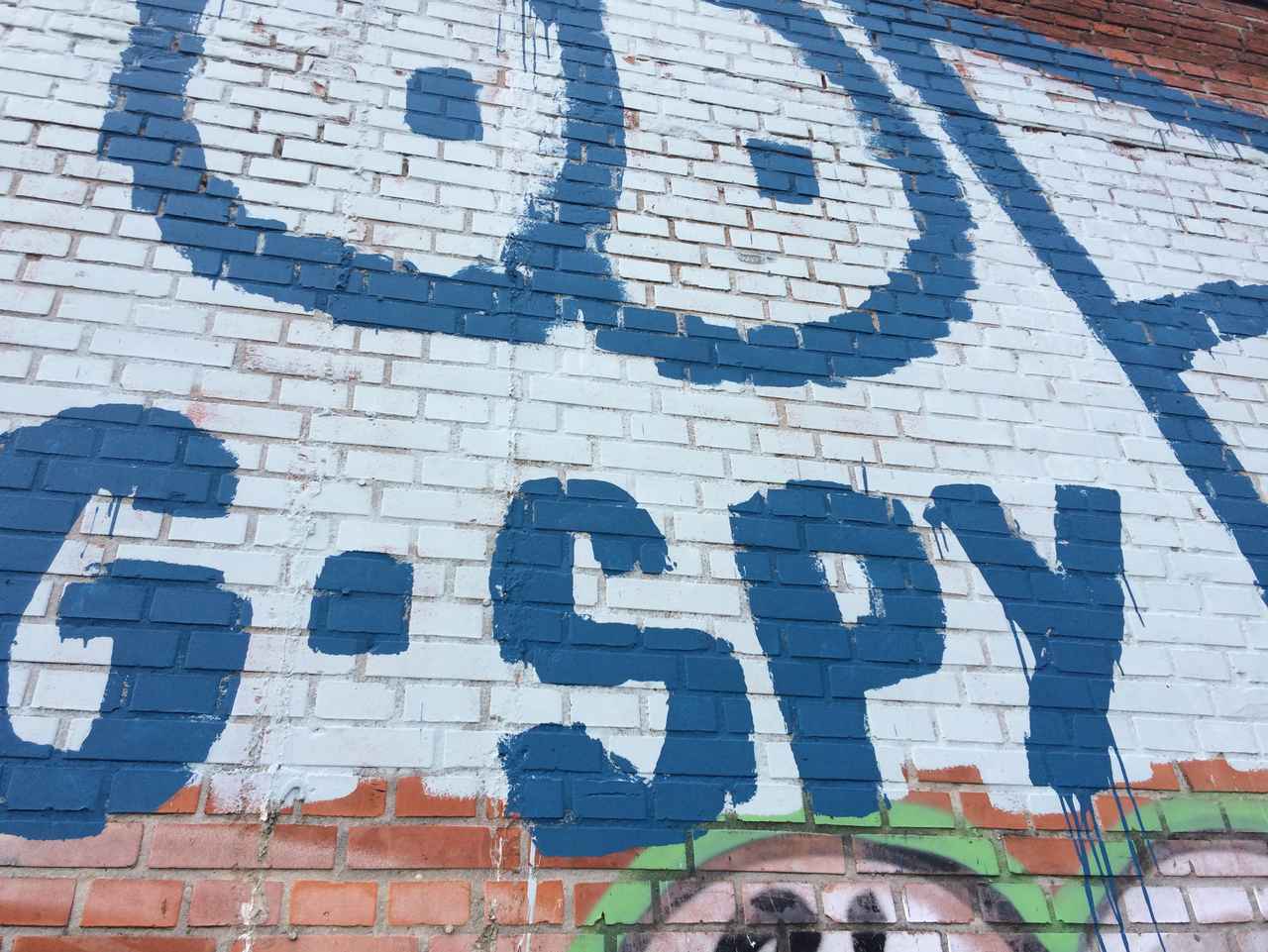
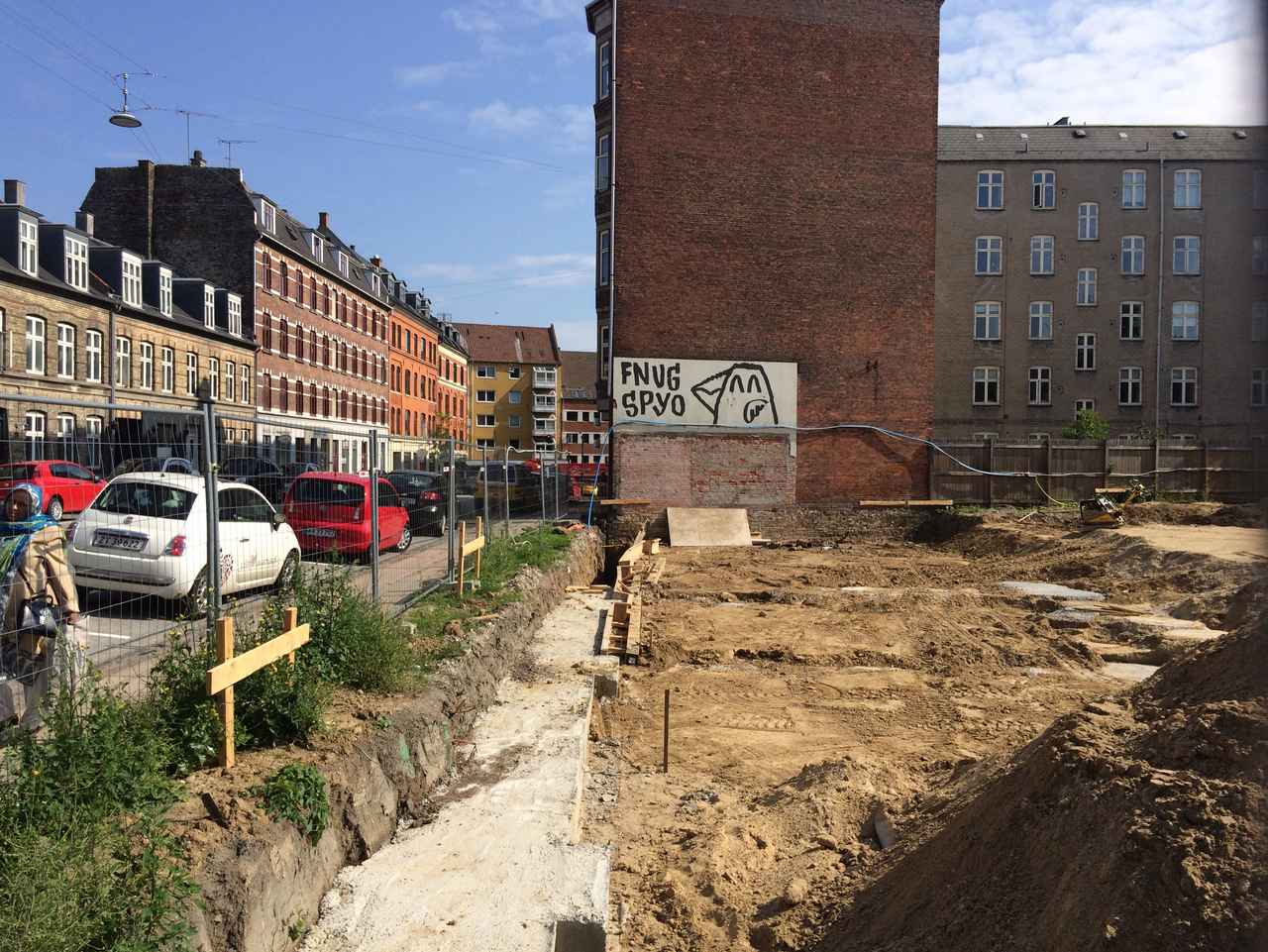
While taking the FNUG・SPY photographs that I posted a few days ago, an ASCII art rendering popped into my head. This particular artist apparently works with a brush and paint since the shape of the bricks on which the graffiti is painted comes through far more clearly than with the more common spray can style. It lends a particular character to the way the bird’s head looks, and I suppose the regular grid of the bricks prompted the ASCII association. I enjoyed the texture of yesterday’s Image2ASCII conversion but wanted to pursue the brick aspect a little more closely. A dim recollection of an app mentioned on Der Übercast a while back led me to Monodraw, which turns out to be a fantastic tool for creating plaintext ASCII art on the Mac. There’s no built-in conversion of images, but it is possible to overlay images and trace them by hand – which is what I’ve done here. A grid of 40 lines to match the height of circa 40 bricks that the graffiti covers.
“WE’RE THOSE KIDS” is the full text that covers a wall along the perimeter of a park I walk though nearly every day.
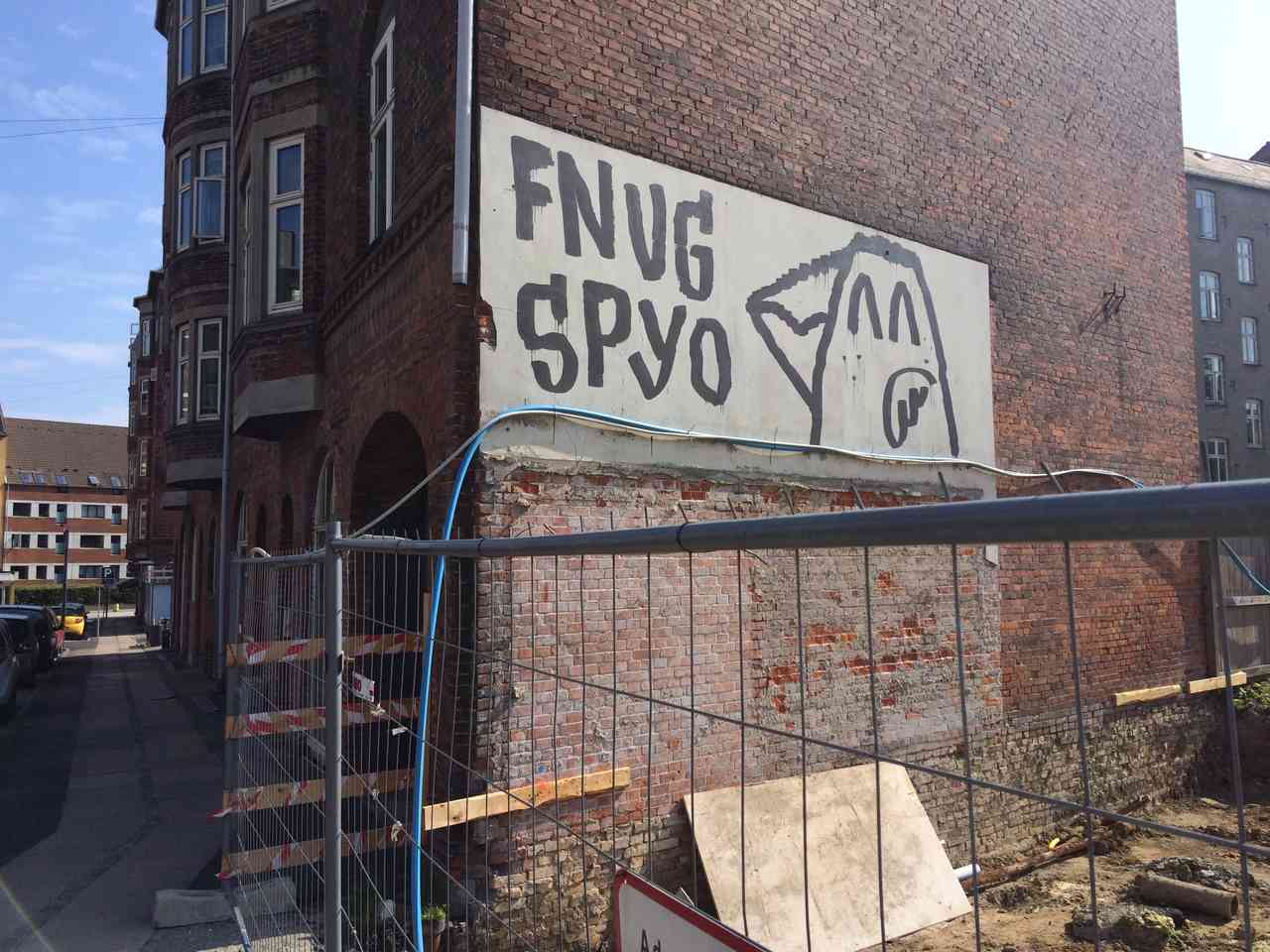
Looking again at another of the FNUG bird heads, I realize that the ragged style is intended, and not just a result of the bricked surfaces they’re painted on. This one is in any case painted on a smooth surface.