

The ID700 is a modern interpretation of the Buchla 700, and it comes with 4000 tunings pre-installed, one of which is the Partch 43-tone scale. The overlay I created for the SenselMorph has C as its root note but the scales in the 700 have A as their starting point 1, which means that I have to shift the incoming MIDI notes either up by 9 steps, or down by 34 in order to have them work with the overlay.
I’ve done that using Bram Bos’ Mozaic MIDI filter, and I’ve set up quite a few instances so that I can quickly shift between octaves or play them simultaneously.
One interesting thing about working with a 43-note scale and only having 128 MIDI notes to work with, is that one is just one MIDI note short of having a full three octave range.
So in this case this (21/16) is the lowest note, and if I go to the top register, that’s the highest (27/20), and after that, I run out of MIDI notes.
If I come back to a middle register, one of the nice things about the ID700 is that it offers MPE support, which means that I can shape each note independently of the others. And in this case I’ve mapped pressure to index number 2, so what sounds a little bit like opening up a filter is actually frequency modulation.
One of the joys of just intonation is rediscovering the beauty of these pure, simple triads, and then with the synth one can add a little bit of character.
As I mentioned in a previous video the symmetry of both the scale and the layout are useful to keep in mind when navigating it. So for example a major triad, when mirrored, gives a minor. So there are these music-theoretical aspects that are mirrored in the visual layout.
If one wants a little more fun one could add an arpeggiator… and so on…
Update: This has since been changed to ‘C’ eliminating the need for shifting the incoming notes, unless one wants to change octave. ↩
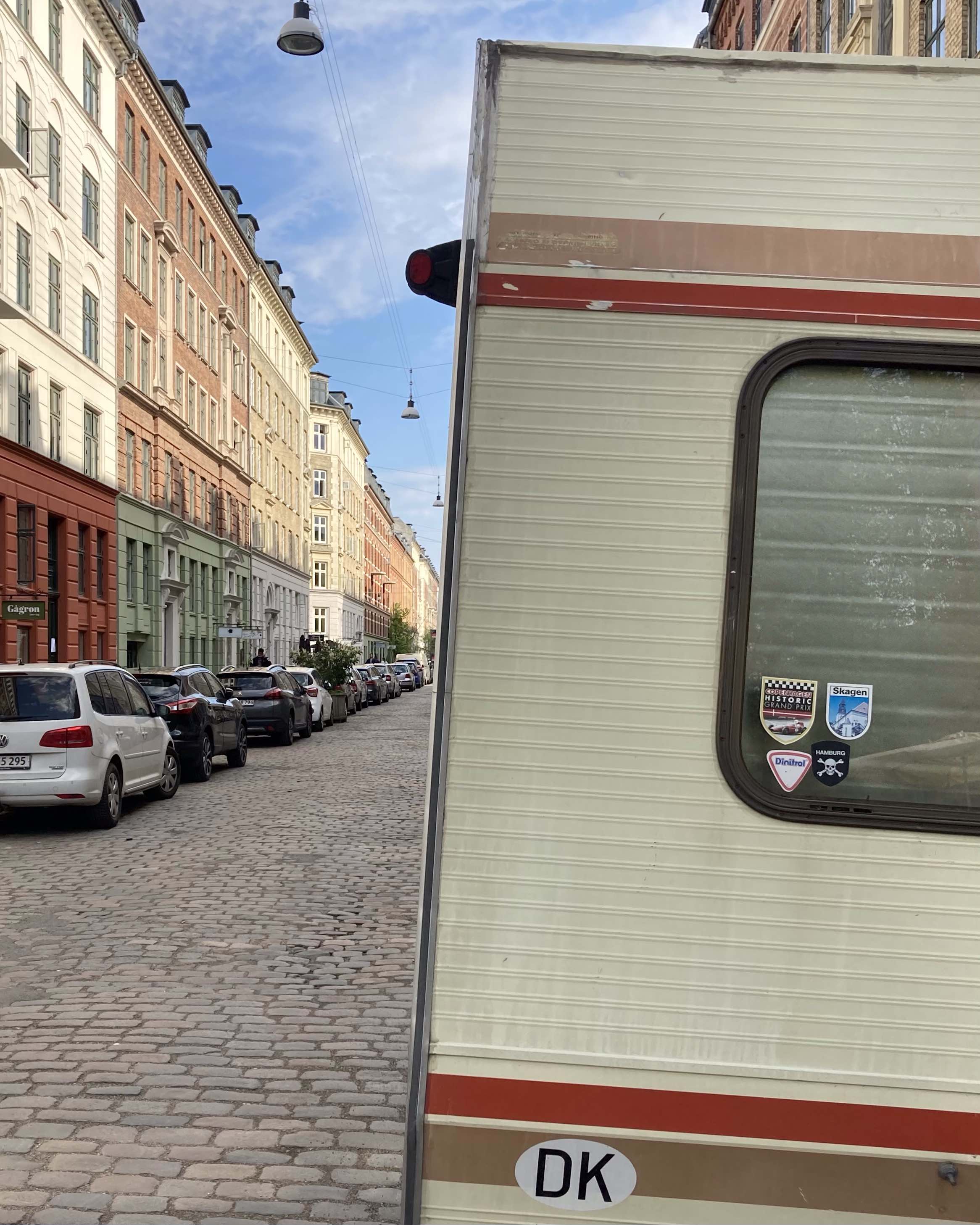
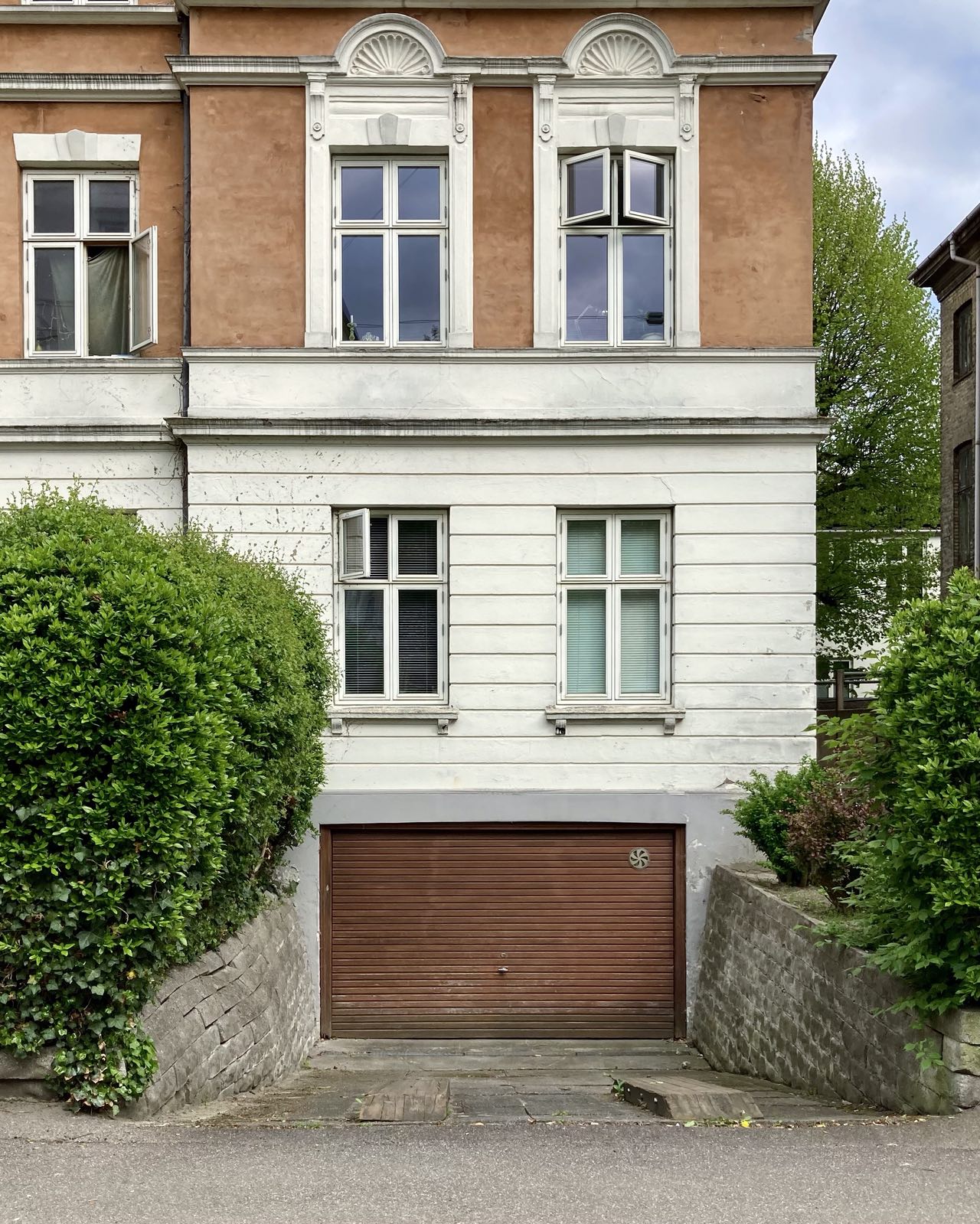
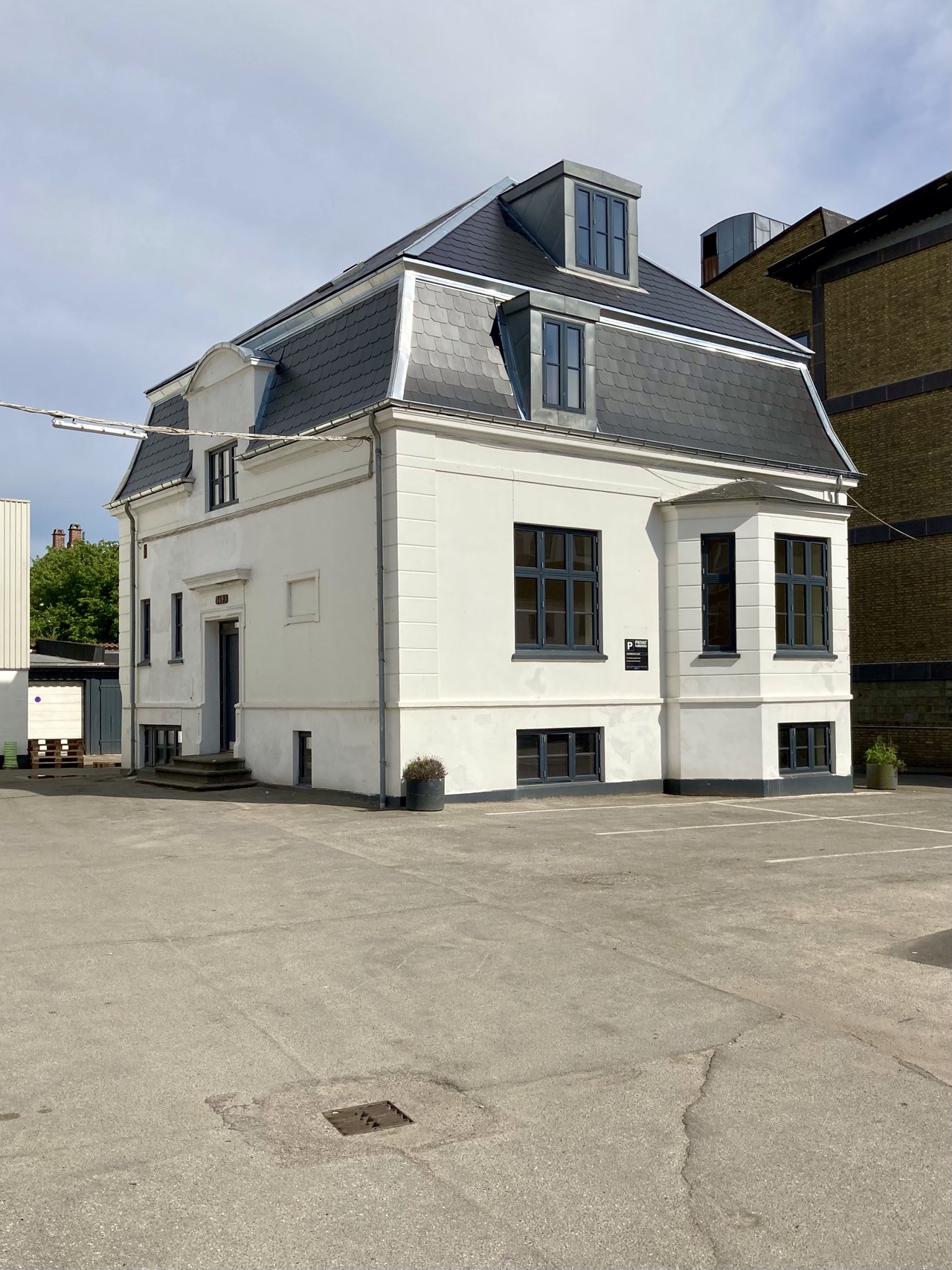
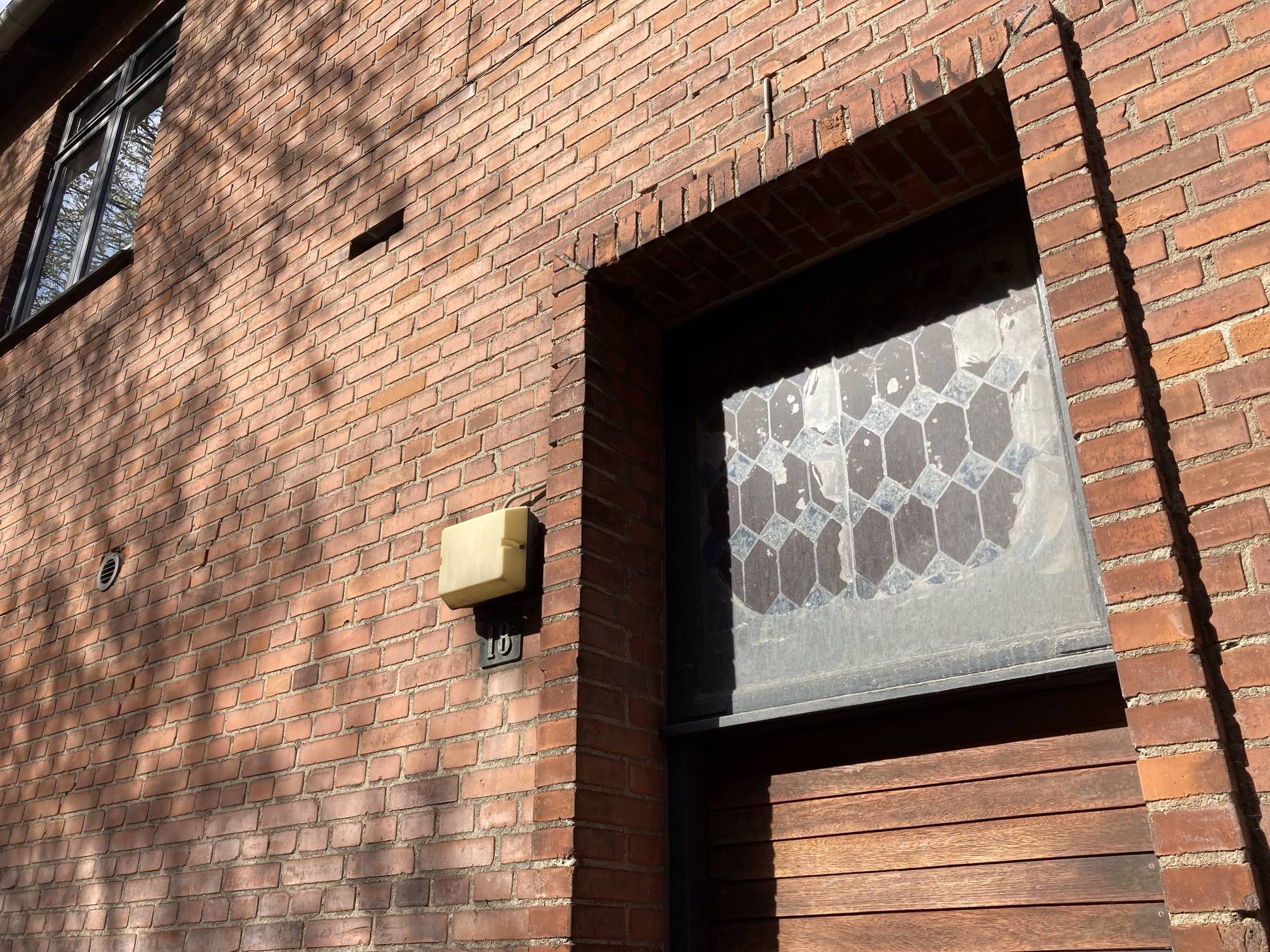
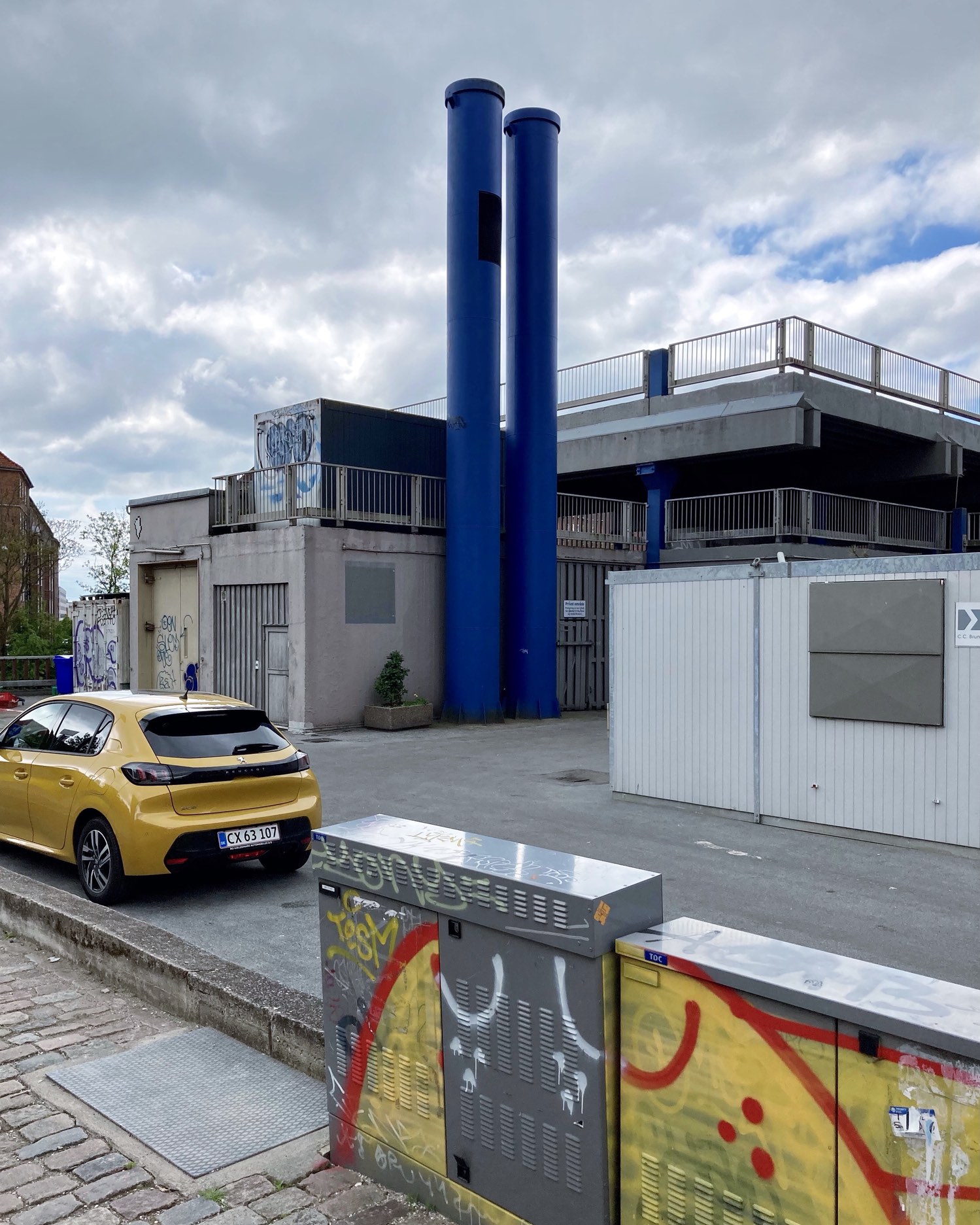
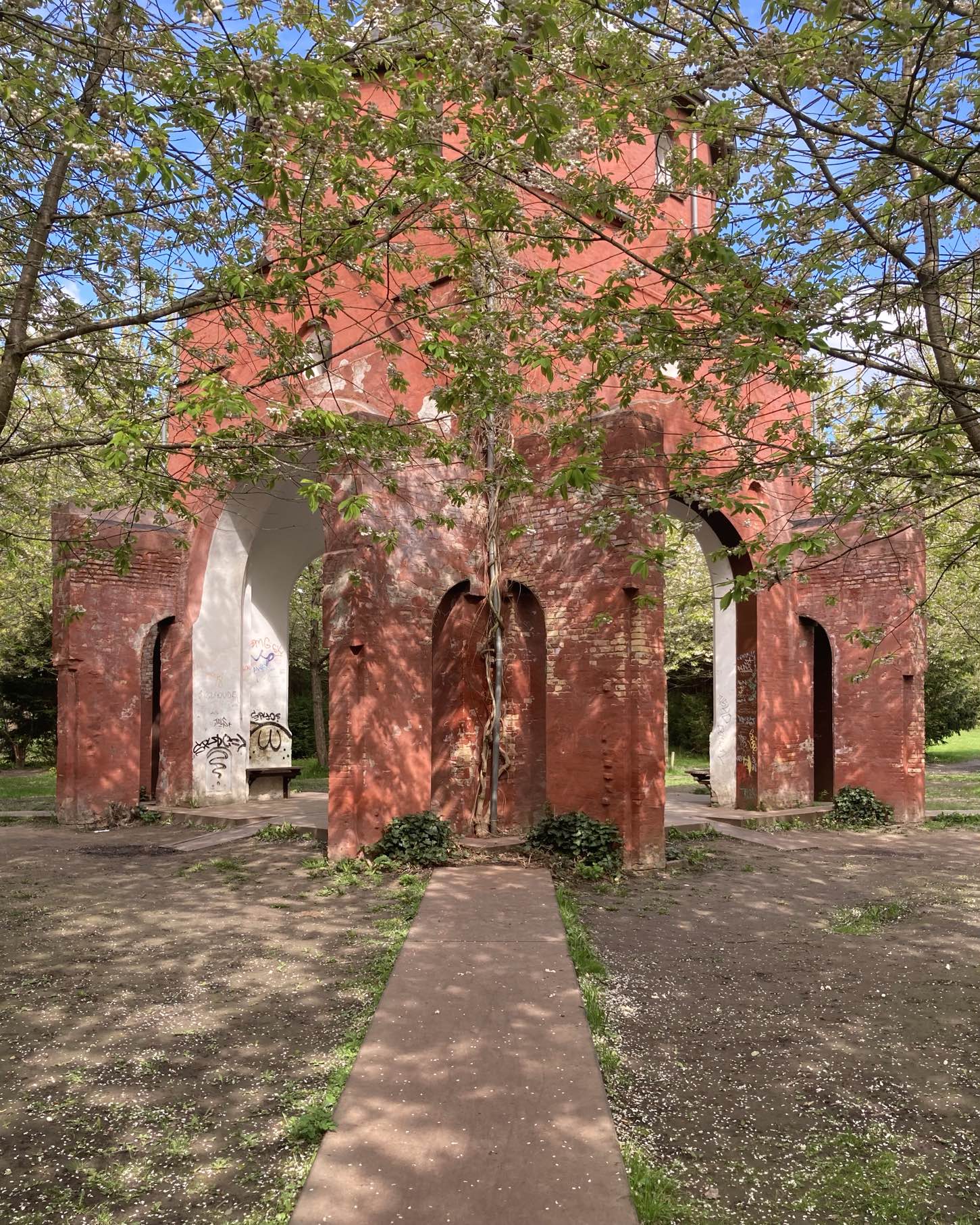

And so we come to the end of this lockdown photo project: the coffee corner where it all started 100 days ago – now open to the public, chairs ready, sun shining, ice cream sandwich-sign out on the pavement. Flowers, trees, cushions. The same old graffiti on the letterbox.
↬ The next issue of my newsletter will be sent out this evening, 21:12. Microtonality, tuning systems, a META podcast, my lockdown photo project, NFT follow-up (ugh!), The Little Prince, music.
Sign up here: buttondown.email/RudigerMeyer
Archived here: rudigermeyer.com/newsletter

Now that I have all these ratios at my fingertips, having set up my Partch overlay for the Sensel Morph, I thought it might be interesting to take a look at the humble pentatonic scale and the various ways in which it might be tuned.
We can set up the scale by stacking up a series of fifths: 4/3 2/1 3/2 9/8 27/16. Or if I mirror that: 1/1 32/27 4/3 3/2 16/9.
So what we have here is Ben Johnston’s Pythagorean tuning of the minor pentatonic, and you can see that it starts with quite a complex ratio: 32/27 for the minor third. And that got me thinking of Clarence Barlow’s notion of harmonicity and wondering what the scale might sound like when tuned with the simplest ratios possible: 1/1 6/5 4/3 3/2 9/5.
It’s slightly different.
Let me add an arpeggiator and we can compare.
So the Pythagorean version comes quite close to an equally tempered tuning. But the ‘pure’ version has a slightly different character.
The main difference between the two scales is that the Pythagorean version has same size major second throughout: the so-called major whole tone, which corresponds to the ratio of 9/8, whereas the ‘pure’ version starts off with a minor whole tone, corresponding to the ratio of 10/9, followed by a major whole-tone, followed by a pure minor third 6/5, and then a minor whole-tone at the top.
I could also mirror that: 2/1 5/3 3/2 4/3 10/9.
Or in a different transposition: 1/1 10/9 5/4 3/2 5/3 – the ‘major pentatonic´.
I could also mirror that: 2/1 9/5 8/5 4/3 6/5.
And so on…
If I wanted to create a pentatonic scale with 5 equally spaced steps, the closest that I can get with this set of ratios is something like this: 1/1 8/7 21/16 32/21 7/8 2/1.
Since the middle two notes are quite close to the purely tuned fourth and fifth I could also choose to embrace them. Or alternatively choose to obfuscate those pure intervals by adding the adjacent notes: 21/16:4/3 32/21:3/2 – taking a little inspiration from Javanese Gamelan music in which some of the instruments are tuned in pairs quite close to one another, but not exactly, so that beating arises.
A pentatonic scale with five equally spaced steps would have the property of being perfectly balanced – i.e. without any particular point of gravity. If one represented the scale as weights distributed around a suspended wheel, the wheel wouldn’t turn in any particular direction, no matter which position we placed it in. One might say that this corresponds to a spatial mode of hearing, rather than proportional one, as is the case with ratios.
In practice much of the music based around (somewhat) equal distance scales, Gamelan music using the slendro tuning, Mbira music or Chopi Timbila music for example, the individual steps change slightly depending on the player or region. They’re never exactly equal. This probably also has to do with the relation between tuning and timbre, which might differ from note to note given the hand-made nature of the instruments. And that’s something we might take as a point of inspiration when experimenting with our own (equal distance) scales.
↬ My next newsletter goes out in an hour:
Microtonality with Harry Partch, Clarence Barlow, Khyam Allami, Wendy Carlos.
Khaen music and Degrees of Freedom Found with “Blue” Gene Tyranny.
Sign up here: buttondown.email/RudigerMeyer
Or check out the archives here: rudigermeyer.com/newsletter
Amidst the greenwashing and lack of action on the part of governments and corporations it’s easy to fall into despair about our climate crisis. Here’s a film (and site, podcast, blog, organisation) that restores hope by showing how we can restore our soil: kisstheground.com
Here’s a podcast project that I’ve had the pleasure of working on for a while. Based on texts by @ShadiBazeghi, read by the poet herself, with music by Mansoor Hosseini. Big-picture reflections on the state of our planet rooted in everyday intimacy: poetiskpodcast.dk/produktioner/flowmatic/blood-moon