↬ Twenty-three – 10: Rietveld, Johnston, Ho
Hi, I’m Rudiger Meyer and this is my monthly newsletter covering what I’ve been up to and what’s been catching my attention.
a green and then golden field is a meandering and grinding journey through fragility and fallibility. A stumbling, uncertain path through constantly changing surroundings. The music moves from calm, textural ambient to distorted, groaning, continuously shifting beats. Harmonies and melodies flow in and out of tune.
That’s the description that comes with the a green and then golden field, the latest release from Don’t Look Back Records, with some fine cover art by Janna Van Welsem.
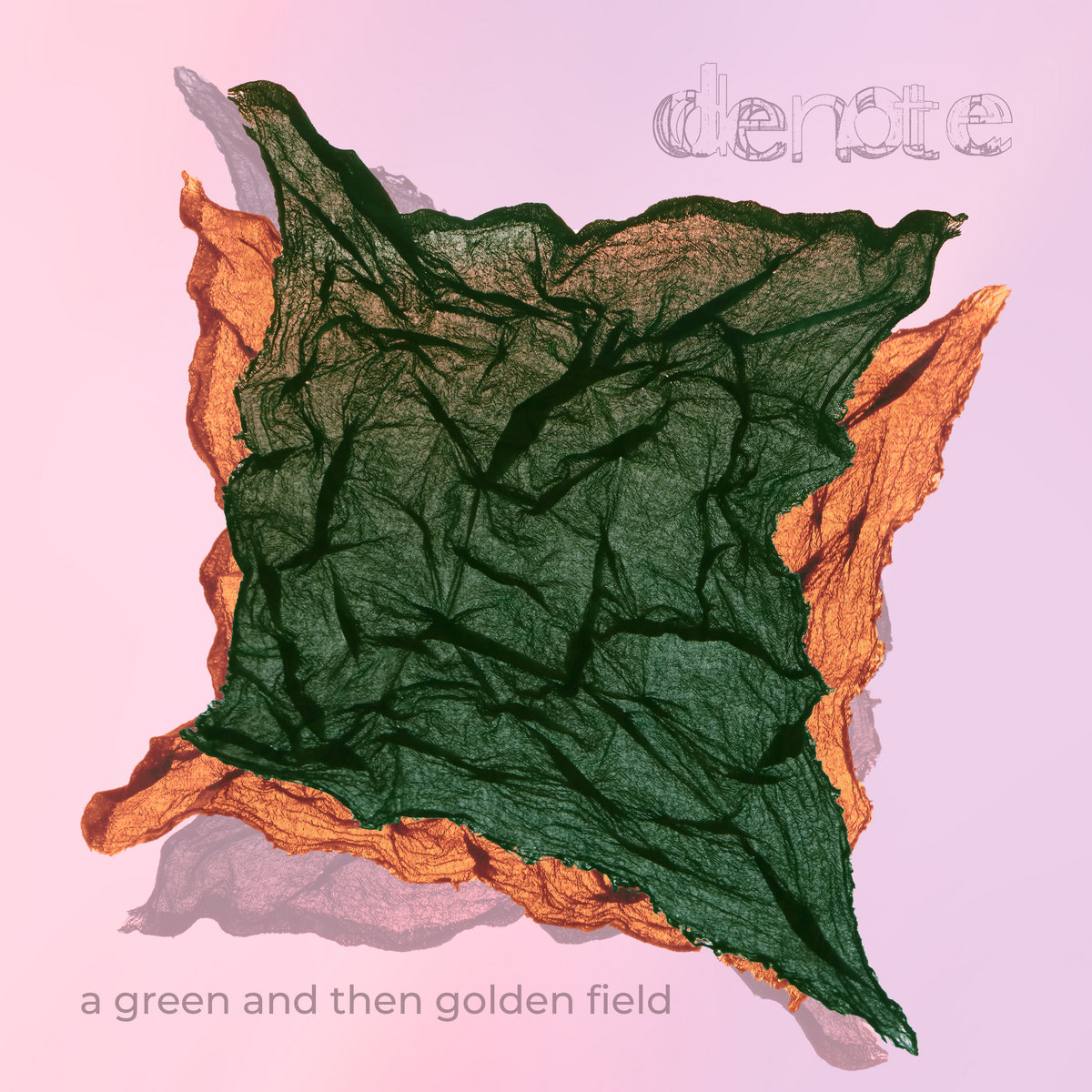
Loden Rietveld is the man behind the music, explaining that the EP was inspired by Ben Johnston’s microtonality and harmony, specifically the way he applied them in String Quartet Nr. 7. I’ve often come across Ben Johnston’s name in relation to both Harry Partch and tuning considerations in general, but for some reason have never gotten to know his music, or much about him. “…one of the best non-famous composers America has to offer” as he is described in opening paragraph of his Wikipedia entry.
Perhaps one of the aspects that make him easy to gloss over is that his music might at first seem somewhat ‘conventional’ (as opposed to obviously ‘avant-garde’) if one doesn’t pay attention. In a lecture covering the arc of his career he describes his path as one of gradually feeling his way ahead, with the somewhat revisionist approach of imagining “what European music might have been had it rejected the idea of temperament”. I came across a ‘score-follower’ type video of his String Quartet No. 7, which I’ve found very useful in clarifying all that is taking place in the music – it helps keep one’s attention focussed.
Johnston composed music that is challenging to describe, make, and perform, but predominantly gracious and transparent to hear.
—John Harbison
There are many wonderful passages in which pitch and timbre melt together beautifully, at times reminding me of similar moments in Wolfgang von Schweinitz’s Plainsound Glissando Modulation.
The electronic sounds of Loden’s EP at first seem a world away from Johnston’s classical instruments, but one can make out some broad similarities in the form of the 3rd and 4th tracks of the EP and the final movement of the quartet, and having followed the detail of score follower video can trace the inspiration on that level as well.
Johnston turned to acoustic instruments after bumping his head on the limitations of the electronics possibilities that were available when he started out, finding his ideal medium in the string quartet, of which he composed 10, with a set of complete recordings released by the Kepler Quartet in 2016. In recent years the microtonal possibilities that Johnston so painstakingly cultivated have moved closer to the mainstream. Loden includes a link to the max4Live device that he developed while creating his EP, noting that this was prior to the MPE tuning possibilities that Ableton Live now offers as standard, bringing the widened palette of these explorations within easy reach.
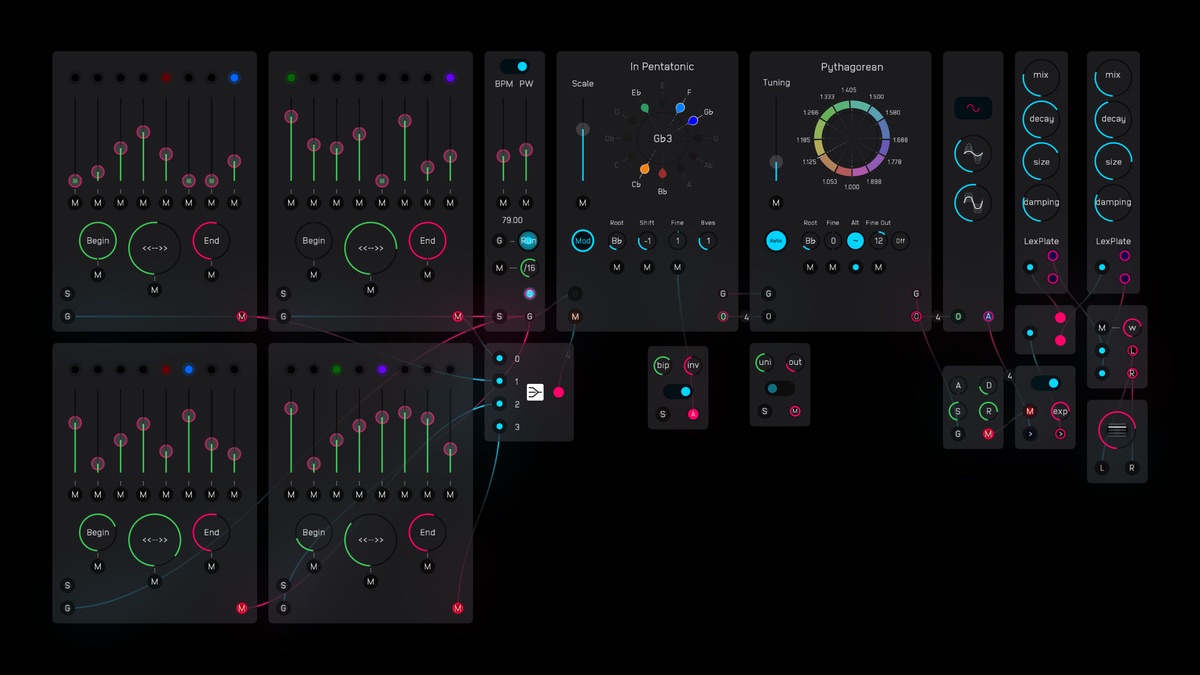
And on those notes, my own (collaborative) work on the Audulus Pitch Wheel and Tuning Module is up on both the Audulus Forum and Discord, along with a bunch of demo patches.
* * *
Following up on Clarence Barlow, I chanced across Nathan Ho’s post on Clarence’s Intra-Samplar Interpolating Sinusoids technique (with the unfortunate acronym of ISIS, as Clarence himself acknowledged). Clarence mentions it in the lecture that I shared in my July newsletter, but it’s a development from shortly after my time in The Hague, and new to me. The section in Clarence’s lecture serves as a good introduction – as he explains it’s “a way of moving between a sound wave and a melody, between timbre and pitch, and other such cross-domain things.” Nathan also provides some context before diving into some critical commentary for those interested in diving down that DSP wormhole – still a little above my head.
Haywire Frontier Nathan’s (aptly named) recent album is also worth checking out.

* * *
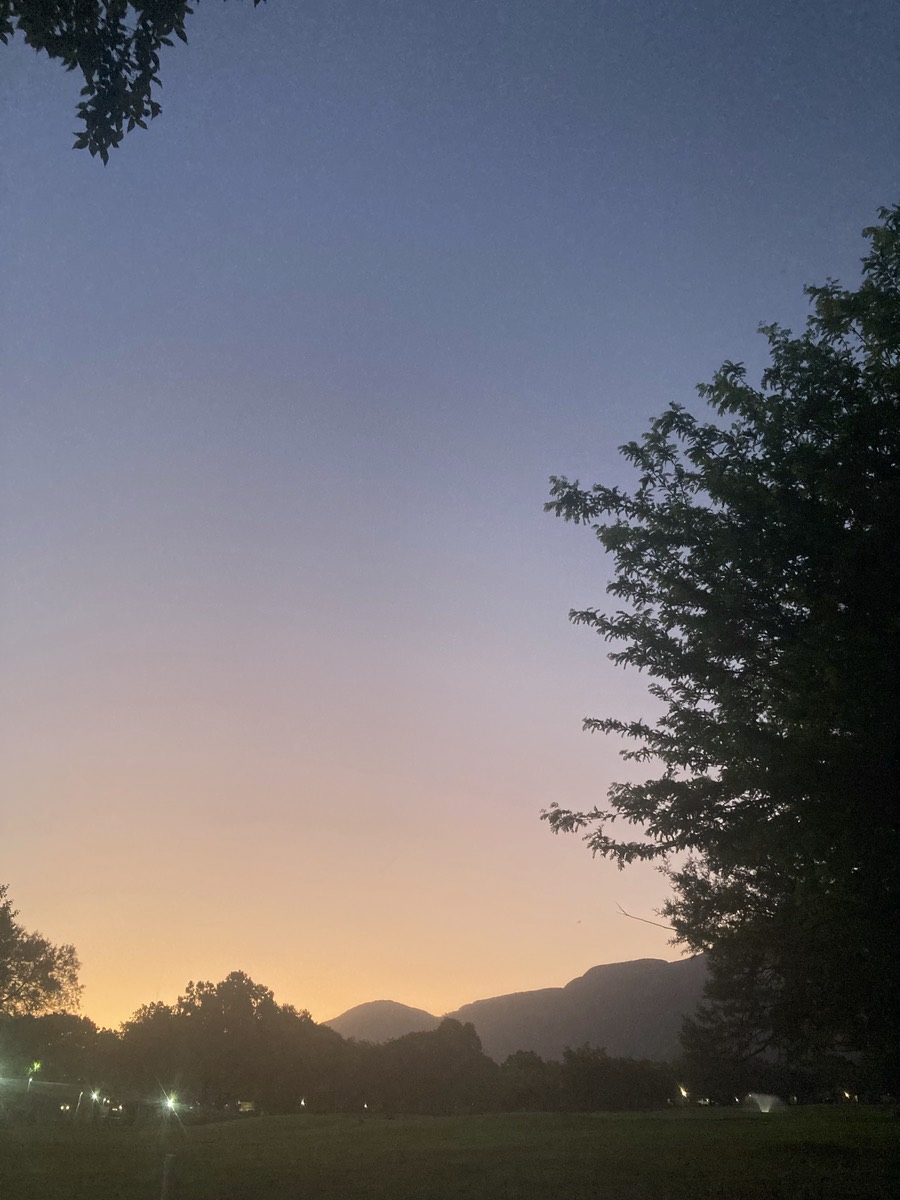
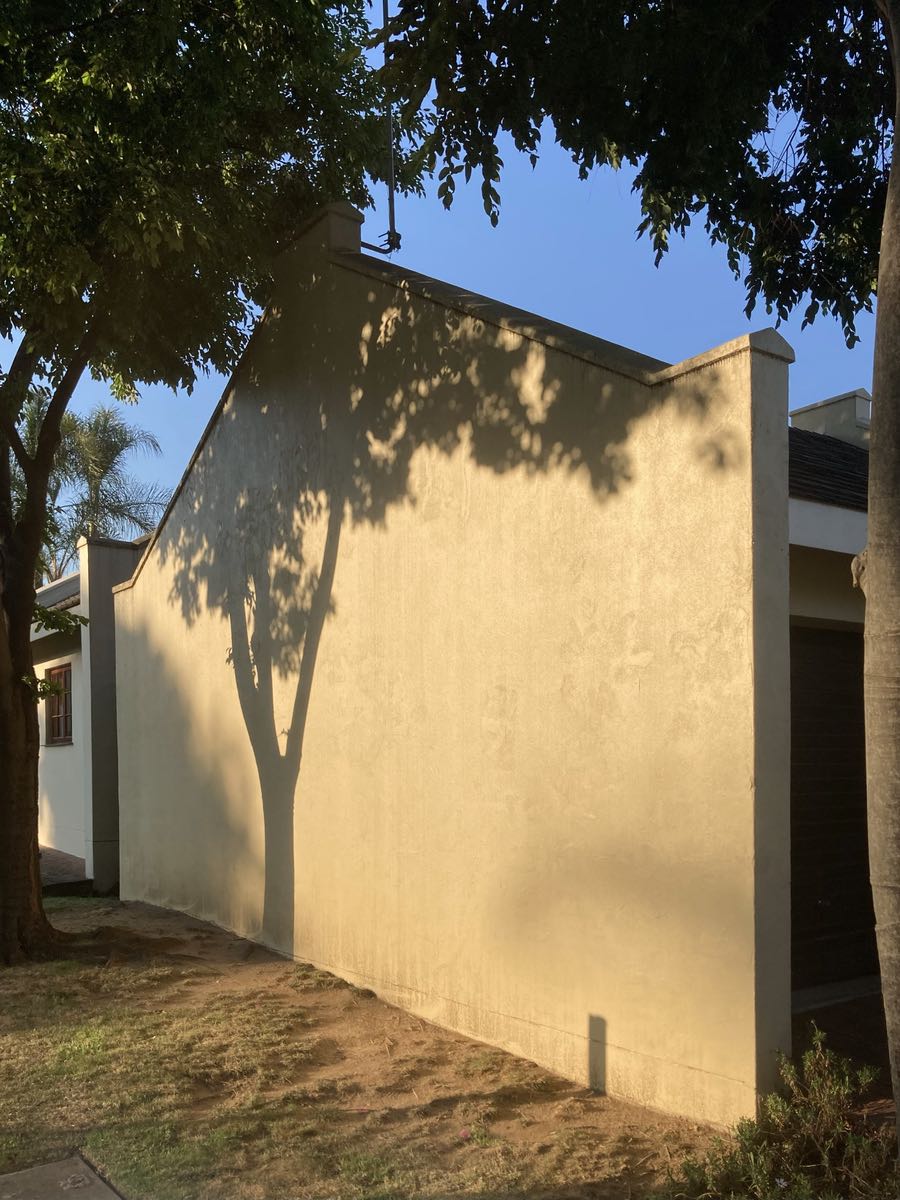
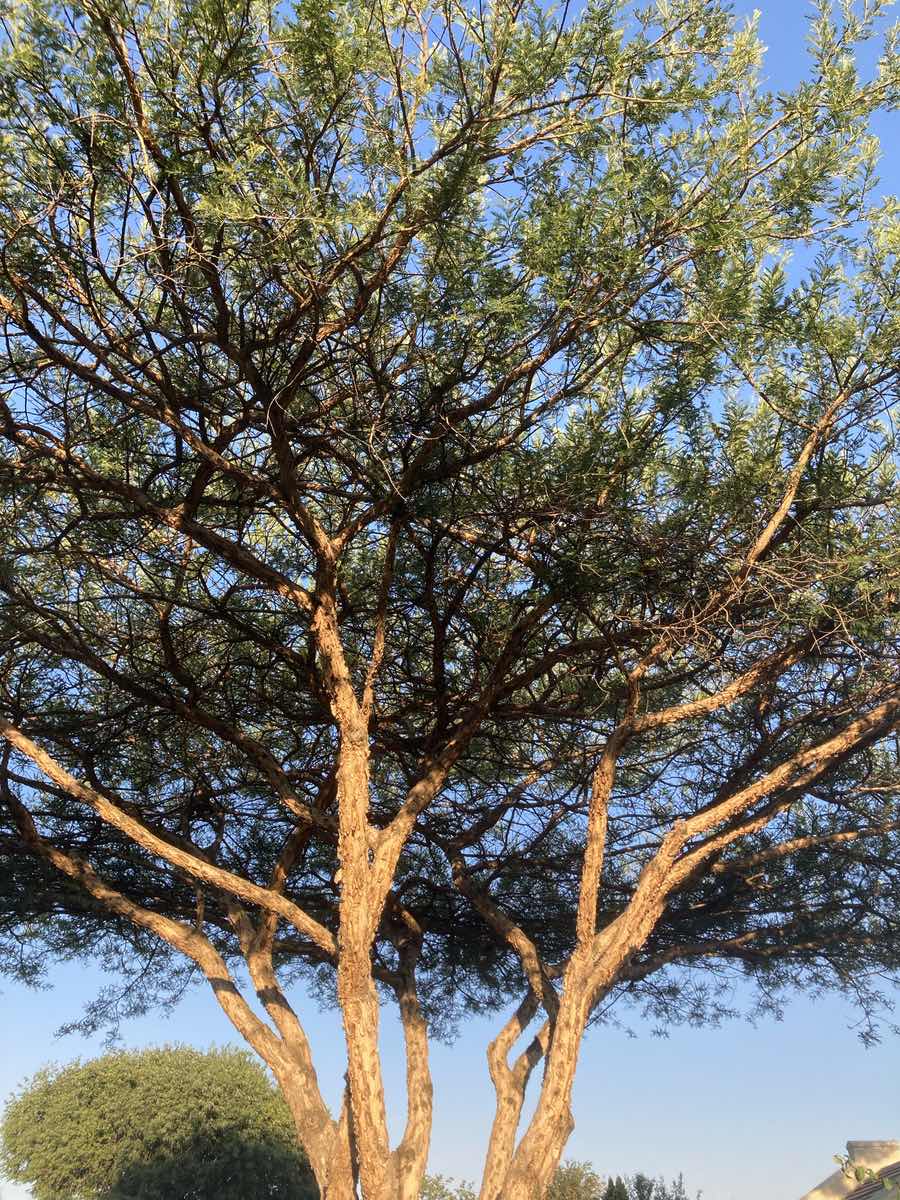
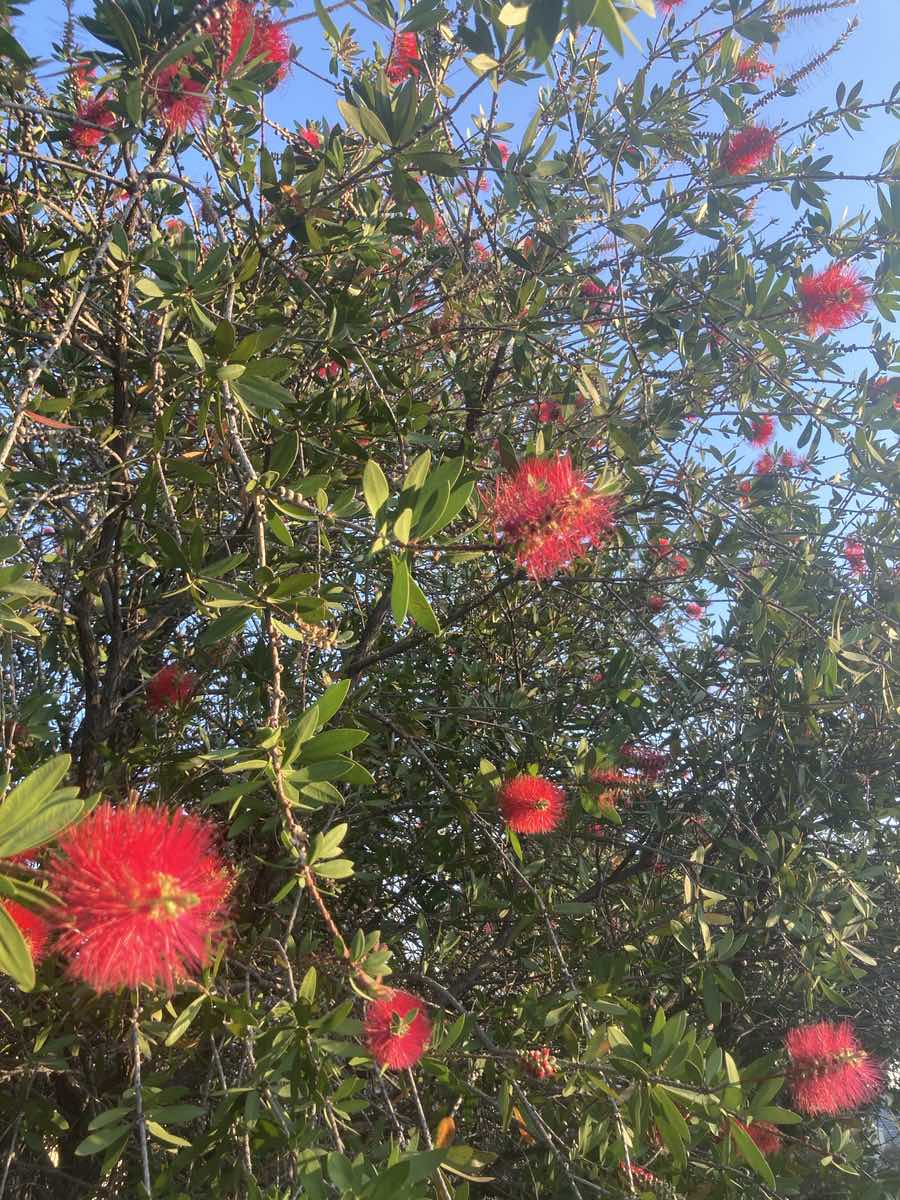
This newsletter is coming to you from South Africa, where I’m visiting my mother for a few weeks. Warm spring weather far from the storms that have been pounding Denmark.
* * *
And while it’s possible to escape the European weather the horrific insanity playing itself out in Gaza feels as close as ever. It’s been encouraging to at least see the secretary-general of the UN taking a clear stance and making a call for peace and humanity. I look forward to a future in which that institution has greater power to ensure that those values are implemented.
A human being is a part of the whole called by us ‘universe’, a part limited in time and space. He experiences himself, his thoughts and feeling as something separated from the rest, a kind of optical delusion of his consciousness. This delusion is a kind of prison for us, restricting us to our personal desires and to affection for a few persons nearest to us. Our task must be to free ourselves from this prison by widening our circle of compassion to embrace all living creatures and the whole of nature in its beauty.
—Albert Einstein
Peace,
↬ Rudiger